Our ultimate goal is to inspire lifelong learning by providing well written posts and striving to answer whatever English-related questions you might have. Let’s learn with and from each other!
Ever wondered what the difference is between a gust of wind and a gale? Or what exactly makes a squall different from a whirlwind? You’re in the right place! In this post, we’ll explore a variety of terms used to describe different kinds of wind and uncover some common wind-related idioms along the way.
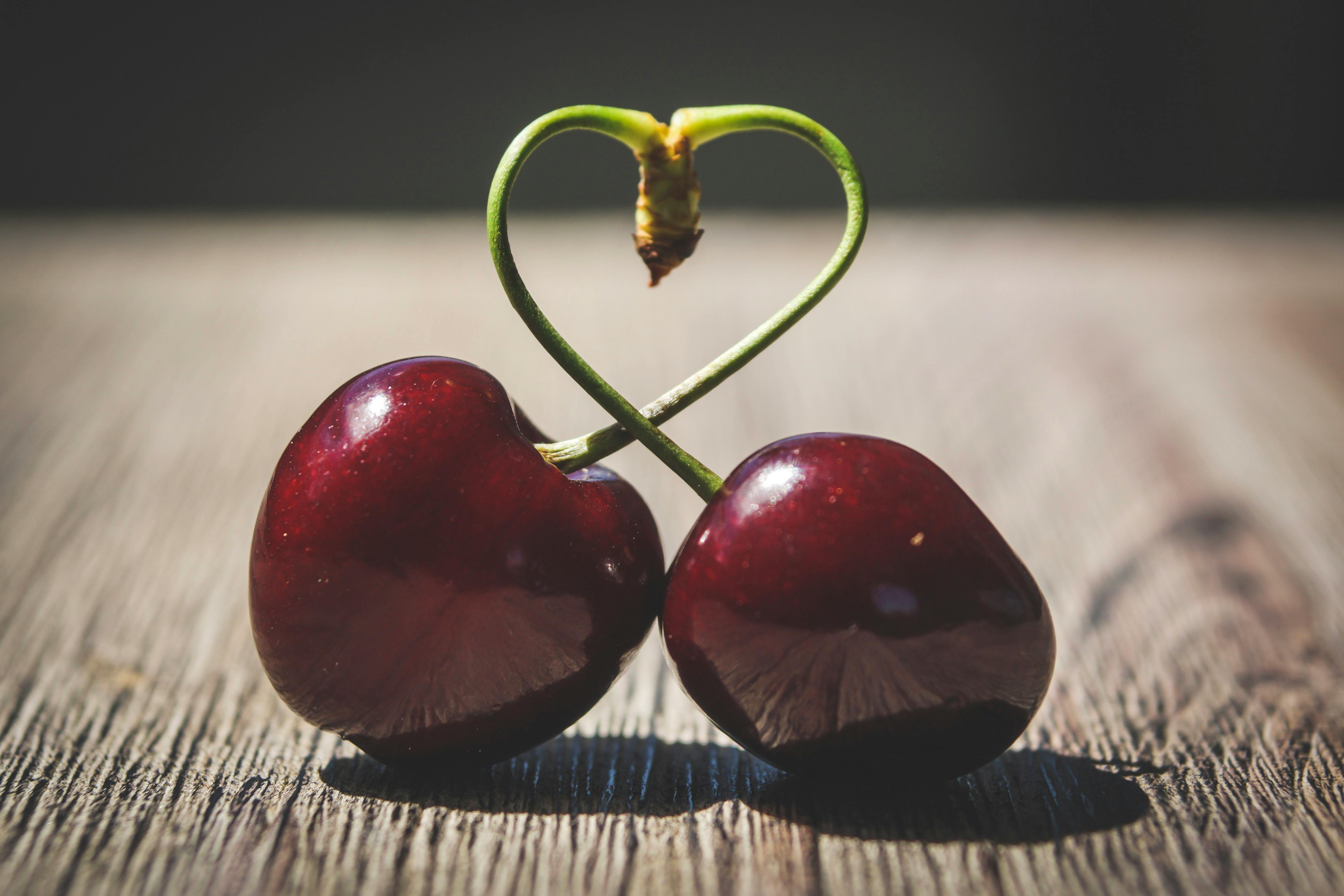
There are quite a few foods whose “group words” are irregular or surprising, which can confuse learners. For example, how would you refer to the cherries in the picture below? There are two of them, but they are attached in one… what? If you’re not sure, read on.
Have you ever stopped to notice how many chemistry terms are used in everyday speech? Consider this short passage:
Their chemistry was obvious the moment they met. A small comment acted as a catalyst, starting a chain reaction of laughter and conversation.
How many chemistry terms did you spot? Check the answer key below, and if you want more, read on. You don’t have to be a scientist to enrich your English with practical everyday chemistry language.
Answer key 🔑
Their chemistry was obvious the moment they met. A small comment acted as a catalyst, starting a chain reaction of laughter and conversation.
chemistry (informal) – a quality that exists when two people understand and are attracted to each other (common collocations: sexual chemistry, right chemistry, personal chemistry between people)
catalyst (for something – a person or thing that causes a change (common collocations: to be seen as a catalyst, to act as a catalyst)
chainreaction – a series of events, each of which causes the next (common collocations: to start, set off a chain reaction)



 Enguroo Online English School