
3 Types of Irony

3 Types of Irony

You’ve probably heard the word irony before, but did you know that there are several types, and not all of them are about something funny? Read this article to learn about them and practice the type that can enhance your daily communication, helping you sound more natural and just more interesting.

Ah, traffic. The one thing I can always count on to keep my day going!
Read more
Simile & the Craft of Comparison

Simile & the Craft of Comparison

A simile /ˈsɪmɪli/ is an expression that compares one thing to another, always including the words “as” or “like” (e.g., as brave as a lion, bright like a star). It can also refer to the use of such expressions. Similes create vivid imagery, clarify meaning, and add emotional depth to writing or speech. Let’s explore some of the most common similes in English and get the hang of this wonderful figure of speech.

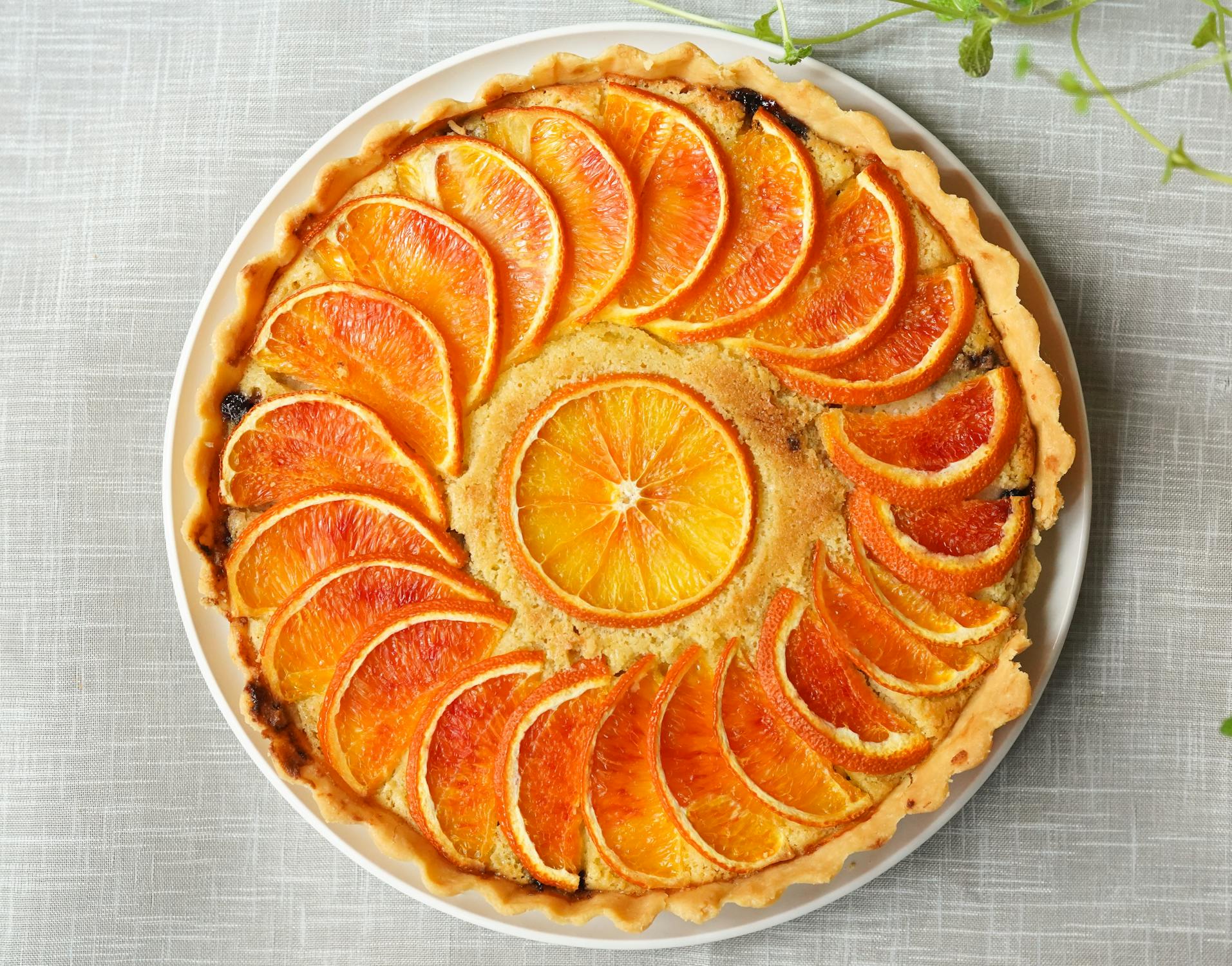
Is the pie really as easy as pie?
Read more
Onomatopoeia or When Words Sound Like What They Mean

Onomatopoeia or When Words Sound Like What They Mean

Onomatopoeia /ˌɑːnəˌmætəˈpiːə/ is a literary device where a word imitates or resembles the sound it describes. Essentially, the word’s pronunciation mimics the natural sound associated with the object or action which it represents. Onomatopoeia commonly describes:

  1. Impact sounds (e.g. boom, bang, crash, smash)
  2. Animal sounds (e.g. meow, woof, buzz, roar)
  3. Human sounds (e.g. giggle, whisper, sigh, murmur)
  4. Mechanical sounds (e.g. beep, click, tick-tock, whirr)
  5. Nature sounds (e.g. splash, rustle, patter, drip)
  6. Movement sounds (e.g. swoosh, whoosh, zoom, flutter)

Onomatopoeia is used in everyday language as well as poetry to create a more immersive or expressive effect. Read on to see how onomatopoeic words are used and practice using them yourself.

A loud crash of lightning illuminated the sky, followed by a distant boom…
Read more