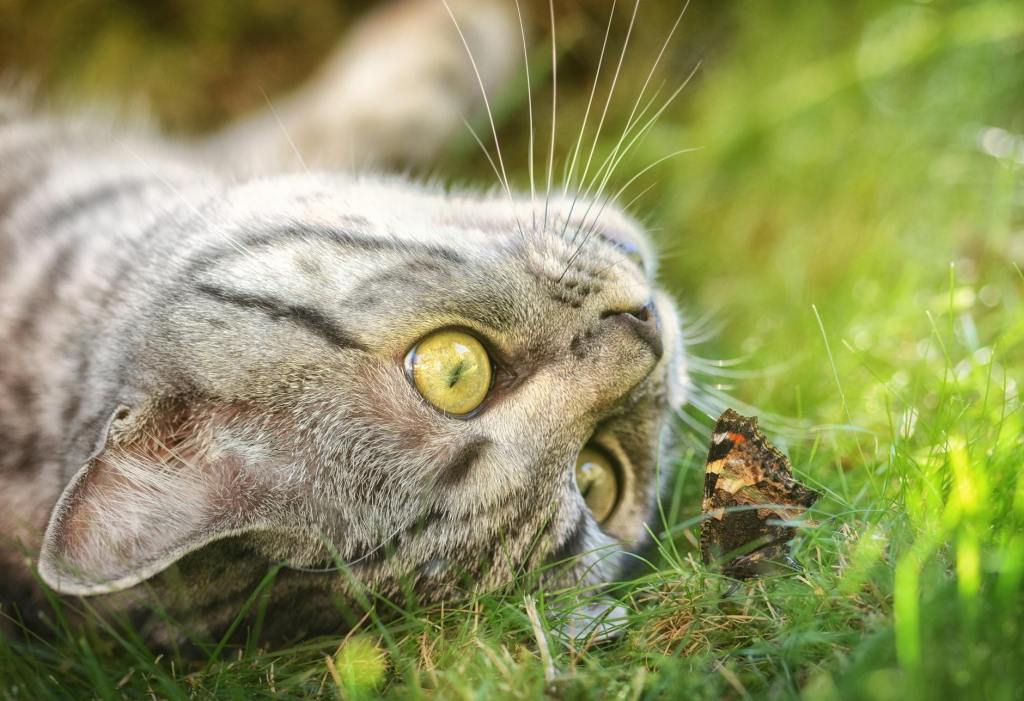
Did you know that August 8th is International Cat Day? Well, whether you did or not, happy Cat Day to you! And here’s our gift—a post about cat-related things: common cat breeds, essential cat body parts you should know, and a few cat-related idioms to top it off. Enjoy! Meow!
Time spent with cats is never wasted. Sigmund FreudRead more ›
Today, on International Friendship Day, we’d like to share a post on the topic and teach you useful upper-intermediate and advanced vocabulary to talk about friends and friendship. Read on for handy expressions presented in context and English proverbs full of friendship-related wisdom. Happy Friendship Day!
As we all know, “How are you?” is one of the most common phrases in the English language, used as part of small talk, a conversation about things that are not important, often between people who do not know each other well. It’s typically used to ask about someone’s well-being or current state.
Example 1 (‘How are you?’ is used as part of the greeting):
Beth: Hi John, how are you?
John: Oh hi, Beth, I’m doing fine. Thanks!
Example 2 (‘How are you?’ is used to check on someone’s current state or mood):
Ann: I heard you weren’t feeling well yesterday. How are you today?
Jane: I’m feeling better, thank you.
Example 3 (‘How are you?’ is used as a casual conversation starter):
Mike: Hey Sarah, how are you doing these days?
Sarah: Hey Mike, well, I’m doing pretty well. In fact, I recently got a new job.
Let’s explore alternatives to ‘How are you?’ and how they can be naturally used in conversation.



 Enguroo Online English School