
In the mood to kick back* and relax? You’ve come to the right place! Today, we’re diving into 15 common phrasal verbs all about rest and relaxation. From clear definitions and real-life examples to hands-on exercises and a contextual showcase, this guide has everything you need to unwind and level up your English.
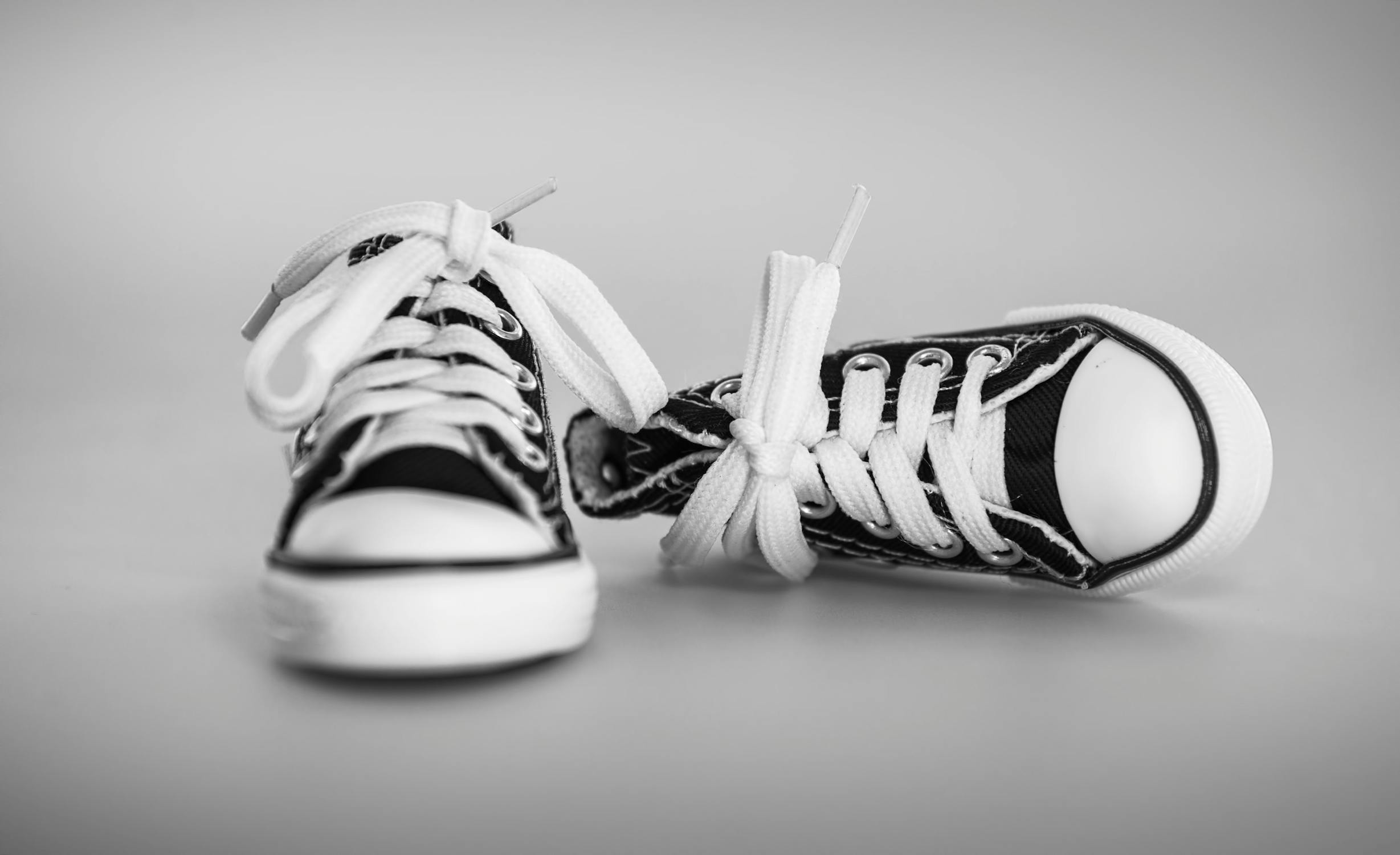
Phrasal verbs that refer to literal physical relaxation are marked with the emoji 🤌.
| Phrasal verb | Meaning | Example |
| kick back | relax and take it easy, often after working hard or during leisure time | After finishing the project, we kicked back with some pizza and a movie. |
| chill out | relax completely or calm down, especially after being stressed or angry | You’ve been working all day—why not chill out with some music? |
| wind /waɪnd/ down | gradually relax, especially at the end of the day or after something stressful | She likes to wind down with a cup of tea and a book before bed. |
| take it easy | relax and not do anything too strenuous | You’ve been through a lot lately—just take it easy this weekend. |
| 🤌 lean back | move your upper body backwards into a more relaxed or comfortable position, often while sitting | He leaned back in his chair and closed his eyes, enjoying the breeze. |
| 🤌 flop down | sit or lie down heavily and suddenly, usually because you’re tired | She flopped down on the couch after a long day at work. |
| slow down | reduce activity; do things more calmly or at a gentler pace | You’ve been rushing around all week—it’s time to slow down and take a break. |
| veg /vedʒ/ out | relax in a very passive way, often by doing nothing or watching TV | After the exam, I just wanted to veg out in front of the TV all evening. |
| ease up | start to make less effort | You’ve been pushing yourself too hard—it’s time to ease up a bit |
| laze around | spend time doing very little, relaxing and being inactive | We lazed around the house all Sunday, just enjoying the break. |
| soak up (e.g. the sun, the atmosphere, the vibes, the culture, the knowledge) | absorb and enjoy something, often referring to sunshine, atmosphere, or relaxation | We spent the afternoon soaking up the sun on the beach. |
| kick off your shoes | remove your shoes casually, usually to relax or feel more comfortable at home | She kicked off her shoes and sank into the sofa after a long day. |
| switch off (also, switch off your mind, switch off from work) | stop thinking about work or stress and relax | After a busy day, I like to switch off by listening to music. |
| 🤌 curl up | sit or lie in a comfortable, rounded position, often to relax or sleep | She curled up on the sofa with a good book and a blanket. |
| mellow out | become calmer, more relaxed, or less stressed over time | He was really tense earlier, but he started to mellow out after a few deep breaths. |
A Guide to Kicking Back & Chilling Out
After a long week, there’s nothing better than to kick off your shoes and finally kick back at home. I love to flop down on the couch, curl up with a good book or a movie, and just veg out for a while. Sometimes I’ll just laze around, letting the hours pass without a care, and really soak up the calm vibes.
As the evening rolls in, I try to slow down and ease up on any stress (1) I’ve been carrying. It’s important to switch off from work and technology to truly chill out. I like to lean back, close my eyes, and let myself mellow out completely. This helps me wind down before bed and take it easy on myself (2).
Sometimes, the best way to relax is simply to switch off your brain (3), kick back, and enjoy the peace.
- Ease up (intransitive verb) = relax (see the meaning in the table above); it can also be followed by “on + object”: ease up on stress, pressure, workload (e.g. 1) The manager eased up on the pressure once the deadline was extended. 2) Try to ease up on your workload this week to avoid burnout.)
- Take it easy = don’t stress, but when you add on + object, it means to be gentler or less harsh toward that person or thing: 1) Let’s take it easy on the environment and reduce waste. 2) Take it easy on the kids—they’ve had a long day.
- Switch off = disconnect mentally (intransitive verb); it can also be followed by an object and still express relaxation: 1) Sometimes you just need to switch off your brain/mind and enjoy the moment. 2) I try to switch off from work as soon as I leave the office. 3) Put on some music and switch off the noise of the city.
Practice
Exercise 1. Click the link here and match the phrasal verbs with their meanings.
Exercise 2. Click the link here and choose the right particle to complete the sentences.
Did you enjoy the article? Make sure to subscribe to the blog—new content like this drops every week! Want to practice the phrasal verbs we covered? Leave a comment below and share how you like to wind down. Is it easy for you to take it easy, or do you find it tough to kick back on a regular day? We’d love to hear your favorite ways to chill out!
 Enguroo Online English School